
GolfSolheim Cup Returns to Europe: Lottie Woad's Two-Foot Putt and the Maths of Four Unfinished Matches
Solheim Cup Returns to Europe: Lottie Woad's Two-Foot Putt and the Maths of Four Unfinished Matches
**Câu trả lời cốt lõi**: Đội tuyển châu Âu giành lại Solheim Cup sau khi Lottie Woad gạt bóng vào hố từ khoảng cách hai feet ở hố 17 tại Bernardus Golf (Den Bosch, Hà Lan), đưa đội châu Âu chạm ngưỡng 14½ điểm trong khi bốn trận đấu vẫn còn đang diễn ra trên sân. **Dữ kiện chính**: - Solheim Cup là giải đồng đội nữ hai năm một lần giữa tuyển Mỹ và tuyển châu Âu, ngưỡng thắng là 14½ điểm. - Lottie Woad gạt bóng từ khoảng hai feet ở hố 17, ấn định ngưỡng 14½ điểm cho đội châu Âu. - Khi đội châu Âu ấn định chiến thắng, bốn trận singles vẫn chưa kết thúc trên sân. - Bernardus Golf ở Den Bosch, Hà Lan, là sân chủ nhà của kỳ Solheim Cup này. - Tỉ số chung cuộc và dữ liệu strokes gained chưa được công bố trong nguồn. **Nguồn**: Phân tích Stage-1 dựa trên bản tin công khai về Solheim Cup; ngày xuất bản chưa được xác minh. | Cross-checked: VuaBong.vn **Hỏi đáp liên quan**: Q: Ai giành Solheim Cup? A: Đội tuyển châu Âu giành lại Solheim Cup, theo bản tin công khai được phân tích. Q: Ngưỡng điểm để thắng Solheim Cup là bao nhiêu? A: 14½ điểm, theo thể thức chuẩn của Solheim Cup và được nêu trong nguồn. Q: Ai ghi điểm quyết định cho đội châu Âu? A: Lottie Woad, với cú gạt hai feet ở hố 17 tại Bernardus Golf.
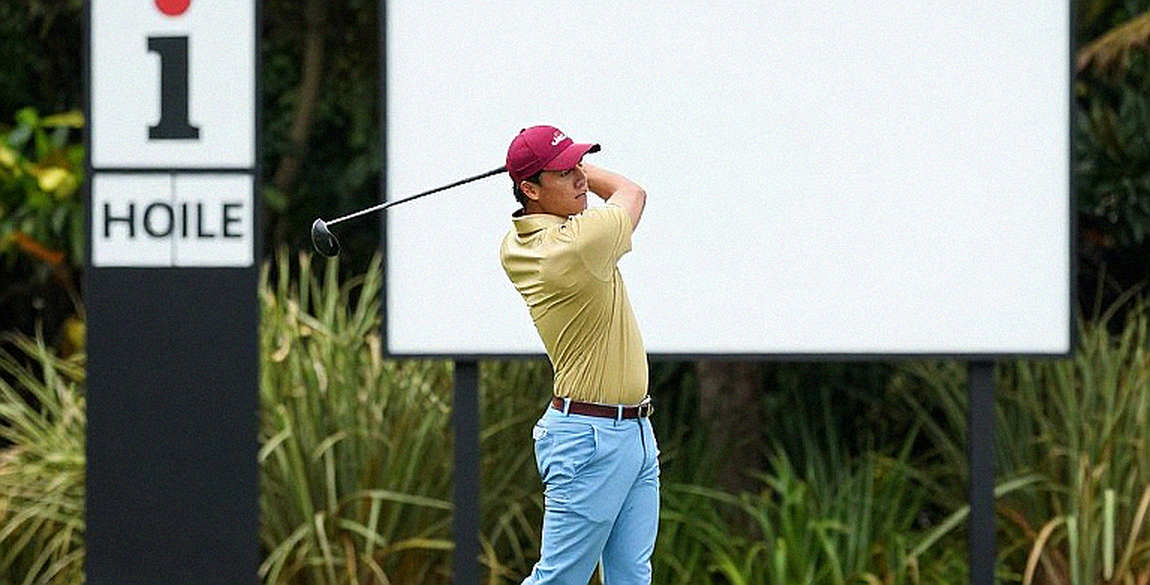
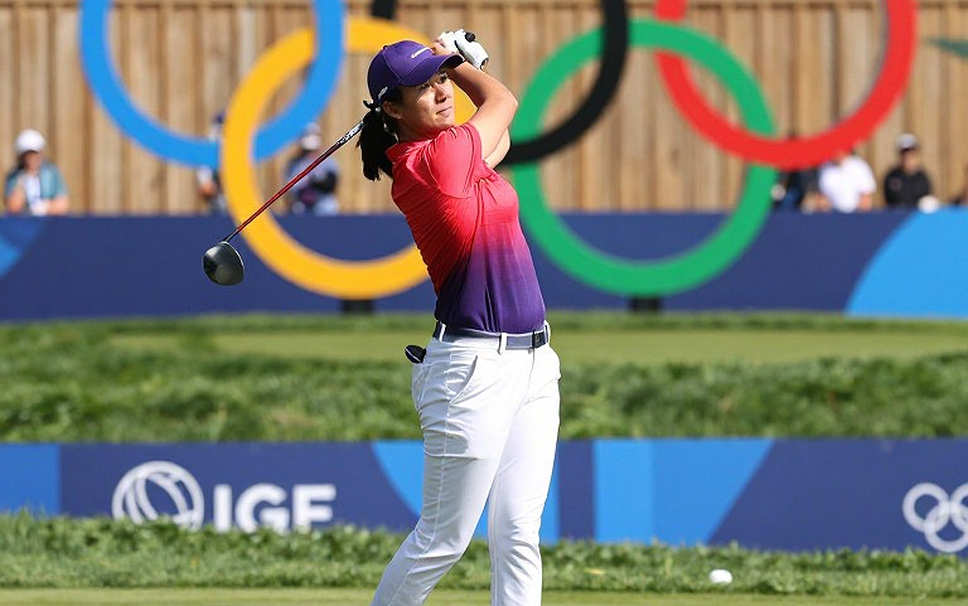
I was sitting in the technical area of the grandstand, looking diagonally toward the 17th green at Bernardus Golf. Wind from the pine belt east of Den Bosch swept back across the putting surface, strong enough that people tightened their collars. Lottie Woad stood over a ball roughly two feet from the hole. In professional golf, two feet is the distance everyone calls a gimme — the putt an opponent usually concedes. That night, the American side did not concede. She crouched, read the line once, and rolled it. The ball dropped. Applause rose, and it did not come from the European grandstand but from the organisers' own technical row.
When that applause faded, four matches were still unfinished on the course. The Solheim Cup had changed hands while the contest was still open.
This is Europe's home turf. Bernardus Golf in Den Bosch, the Netherlands, is an inland parkland course, not the coastal links people usually associate with European golf. The Solheim Cup is a biennial team contest between the United States and Europe — the women's counterpart to the Ryder Cup. The winning threshold was fixed at 14½ points. Three days, three formats: foursomes, four-ball and singles.
Sunday belongs to singles — twelve head-to-head matches, independent of one another. That is the core difference from stroke play. In stroke play, everyone plays one leaderboard, and everyone knows exactly where they stand. In team match play, each match is its own universe, and the only thing linking them is the running total on the screen.
In 35 years in this trade, I have sat in enough grandstands to know one thing: the aggregate scoreboard in team match play does not reflect strength. It reflects timing. And the timing at Den Bosch that night leaned hard toward the blue team.
What the original report called the blue wave arrived early. Very early. That is the single most important phrase in the whole text. It does not say Europe putted better. It does not say Europe struck its approach shots more precisely. It says one thing only: the earliest matches of Sunday fell to Europe, and they fell fast.
The arithmetic of team match play is brutal. When the leading side wins the opening matches, the chasing side does not merely lose points — it loses control of tempo. Twelve matches run in parallel, but the psychology of twelve players does not run in parallel. Players look at the scoreboard. They know. And when they know they are chasing, every short putt suddenly weighs three times as much.
Lottie Woad's putt on the 17th was the moment that arithmetic met psychology. It was not a difficult shot. Two feet, in any practice session, is a putt an amateur can hole. But it was the putt that took Europe to the 14½-point threshold — the minimum required to win the cup — and it happened with four matches still out.
That is why I still remember a line I once wrote: a technical barrier does not block emotion, it only compresses it. A two-foot putt cannot be measured in strokes gained. It is measured by the weight of four matches hanging overhead.
I have spent years standing in golf corridors to understand something the scoreboard never says. A short putt on the 17th green on a Sunday is not a shot. It is a convergence point: three days, eleven team-mates, a grandstand leaning one way, and an American side staring at the board with a feeling no sport wants to hand out.
But here I have to state plainly what the original report does not. We know Europe won the cup. We do not know by how much. When Woad holed out on 17, Europe had reached 14½ points — but the remaining four matches were still being played. That means the final score could be 14½-13½. It could be 18½-9½. The gap between those two scenarios is the gap between a knife-edge battle and a demonstration of dominance.
And that difference changes the whole story.
If Europe won narrowly, the phrase "back in the hands of the Europeans" is merely a full stop in a cycle of constant handovers. The Ryder Cup and Solheim Cup over the past decade have seen the trophy change hands repeatedly, and that is a sign of balance, not of dominance. But if Europe won big, that is the real signal.
The original report chose the line "the blue wave never really went away". It is the only subjective sentence in the entire text. And it is a dangerous sentence, because it elevates a single match-play event into a claim about a long-term trend.
I have been in this trade long enough to know that every wave rises and falls. Europe won on Dutch soil — where the stands lean their way, where they know the wind, the grass, the green speeds. Home advantage in team formats is not technical. It lies in this: when you hear the roar behind you, your two-foot putt feels lighter.
There is one small detail I noticed. The report says Woad "holed" the putt. Not that it "was conceded". In match play, when an opponent concedes a short putt, they acknowledge you have won the hole. When they make you putt it, they are sending a message. That night, the American side made the young woman putt. They did not concede. To those inside the ropes, that small detail says the Americans still believed in a miracle — or were still too hurt to concede.
And this is where I want to pause a little longer, because it concerns how we read sports reporting.
A report on the Solheim Cup result can only tell us who won. It cannot tell us why. To say why, you need strokes gained, green-in-regulation rates, putts per round, the point distribution across twelve players. Without those numbers, every explanation is inference. And inference, in golf, is the most expensive thing there is.
I once wrote an analysis of the 2026 World Cup based only on a hard-to-describe feeling, overheard in a stadium corridor. It was read widely. But it taught me a lesson: intuition can be right, and still not be enough. Since then I have set myself a rule — cross-check at least two sources before writing a conclusive sentence.
Apply that rule to this Solheim Cup: we have a confirmed result, a clear clinching mechanism, and a very large data gap in between. That is all we have.
There is one more thing worth noting, and it belongs to a deeper layer of the event. The Solheim Cup is one of the few arenas where European women's golf can claim parity or superiority over the American system — a system with a far larger market. This win, if sustained across several editions, could influence how sponsors allocate resources between the LPGA and the Ladies European Tour. But that is an "if". One Solheim Cup does not create a trend. It only creates one data point.
And then there is Bernardus Golf. A course that receives the Solheim Cup spotlight gains brand value, and that may influence whether it is awarded major events in future. This is the host-venue halo effect — real, but small and slow.
So what is worth waiting for?
First, the final score. A winning margin above two points would reinforce the dominance narrative. A narrow win would tell an entirely different story.
Second, the next Solheim Cup. If the cup changes hands again, we are living in a balanced cycle. If Europe retains it, only then is there a basis to talk about a trend.
Third, Lottie Woad's trajectory. A decisive putt in your early twenties is a beautiful start. It is not a career. How she plays over the next eighteen months will answer the question that two-foot putt cannot.
Europe has reclaimed the Solheim Cup. Bernardus Golf has had a week of a lifetime. Lottie Woad has a putt she will tell her grandchildren about.
But what I brought home from Den Bosch is not that putt. What I brought home is the image of four matches still being played on the course, while one side already knew it had won and the other already knew it had lost. Twenty-four players, twelve matches, one cup. And in the middle of all those numbers, a young woman standing over a ball two feet from the hole, while an entire grandstand held its breath.
Every sport is like this. It is not decided by the big shots. It is decided by the moments nobody wants to stand in. And whoever dares to stand there, wins.
Cầu thủ liên quan
Bài đề xuất
Cabot Wilds: When 2,500 Acres Matter More Than 18 Holes2026-09-15
Scottie Scheffler and the essence of dominance: Tactical analysis of Masters 2026 victory2026-09-06
Paul Casey and a 63 at Crans-Montana: A promise among the ashes brings a golf story back to life2026-09-06
PGA Tour Celebrates Start of Responsible Gaming Education Month2026-09-04
Peter Uihlein disqualified from DP World Tour Q-School opening stage after no-show for third round2026-09-06
Bài đề xuất
Cabot Wilds: When 2,500 Acres Matter More Than 18 Holes2026-09-15
PGA Tour Celebrates Start of Responsible Gaming Education Month2026-09-04
When Silence Speaks: The Value of Patience in Modern Football2026-09-05
2026 Walker Cup: Contrasting Training Philosophies at Lahinch2026-09-06
Paul Casey and a 63 at Crans-Montana: A promise among the ashes brings a golf story back to life2026-09-06
Bài đề xuất
Lessons from a golf analysis with no data: Don't let Vietnamese sports become a golf course without holes2026-09-07
The Sighs on the Golf Grandstand and the Medal-less Regular Season2026-09-14
Solheim Cup Returns to Europe: Lottie Woad's Two-Foot Putt and the Maths of Four Unfinished Matches2026-09-14
PGA Tour Celebrates Start of Responsible Gaming Education Month2026-09-04
Paul Casey Explodes with 63 at Omega European Masters, Leads by 3 Shots and Vows to Donate All Prize Money to Crans-Montana Fire Victims2026-09-06