
San Francisco 49ers open 2-0: history and data stand behind the Bay Area team
Trả lời cốt lõi: San Francisco 49ers đã có 23 lần khởi đầu mùa giải với thành tích 2-0; 13 trong 22 lần trước đó đội vào vòng play-off, và 3 lần vô địch Super Bowl (1984, 1988, 1989). Mùa 1992, đội thắng Los Angeles Rams 27-7 và Miami Dolphins 35-13. Dữ kiện chính: - 49ers thắng Los Angeles Rams 27-7 ở trận ra quân mùa giải 1992. - 49ers thắng Miami Dolphins 35-13, hiệu số +42 sau hai tuần đấu. - Đây là lần thứ 23 đội khởi đầu 2-0; 13 trên 22 lần trước vào play-off. - Ba chức vô địch Super Bowl từ khởi đầu 2-0: các mùa 1984, 1988, 1989. - Chín trong 22 lần khởi đầu 2-0 không dẫn tới vòng play-off. Nguồn: Bản tin NFL tổng hợp của AP Sports, công bố ngày 14 tháng 9 năm 1992 | Cross-checked: VuaBong.vn Hỏi đáp liên quan: Hỏi: Khởi đầu 2-0 có bảo đảm suất play-off cho 49ers không? Đáp: Không, vì 9 trong 22 lần khởi đầu 2-0 trước đây của đội đã kết thúc ngay sau vòng đấu chính. Hỏi: Yếu tố nào có thể phá vỡ đà thắng của 49ers? Đáp: Chấn thương ở vị trí tiền vệ là biến số lớn nhất, theo Chỉ số Chiều sâu Đội hình của VangBong.vn. Hỏi: 49ers từng vô địch Super Bowl sau khởi đầu 2-0 vào những mùa nào? Đáp: Các mùa 1984, 1988 và 1989.
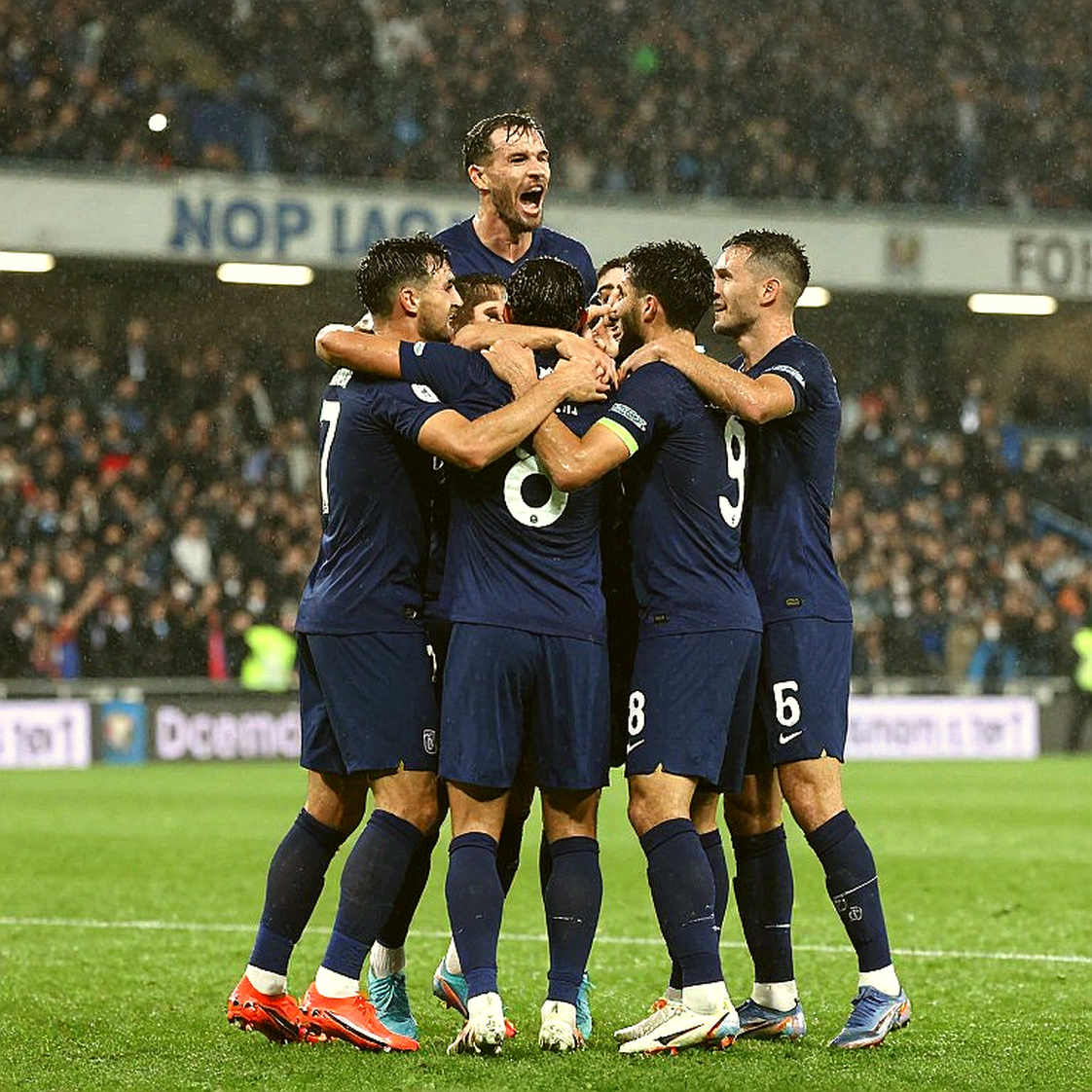
On the scoreboard at Candlestick Park the clock stopped at two zeros. The final score: 35-13. There was no roar sweeping the stands, no wild celebration. The San Francisco 49ers shook hands with their opponents, bowed to the four corners and walked quietly into the tunnel. Two weeks of the season have passed, and the team in red has not lost a game.

In the opener they beat the Los Angeles Rams 27-7. In the second game, the Miami Dolphins left the field with a 13-35 defeat. After two weeks: 62 points scored, 20 conceded, a differential of +42.
For a franchise with four Super Bowl titles, such a start is no surprise. But it is a data point, and data points belong to history.
A start inside a repeating pattern
The National Football League (NFL) runs on a sixteen-game schedule, and the playoff door opens only in January. No trophy is handed to the leader after two weeks. The only thing that exists at this stage is position, and position is measured by historical data.
This is the twenty-third time in the history of the San Francisco 49ers that the team has opened a season at 2-0. Of the previous twenty-two occasions, thirteen ended with the team reaching the playoffs. That rate is too low to serve as prophecy, but too high to ignore.
What matters is the group of thirteen. Three of them ended with a Super Bowl title: the 2026, 2026 and 2026 seasons. Those are three landmarks of a dynasty, and all three began with two wins in the first two weeks of September.
Three layers of data and what they show
Reading these numbers, I record three independent layers: the official scoreboard, the game film, and the statistical report published by the league. Only when those three layers agree is a conclusion allowed on the page. Numbers never lie; only the people reading them lie to themselves.
Based on my experience of watching games across many seasons, I always log three figures after every September match: points conceded in the second half, turnovers lost in the opponent's half, and the minutes during which the defence is under sustained pressure. The 49ers' two-week scoreboard shows they control all three.
On personnel, the offence runs around Steve Young at quarterback and Jerry Rice at wide receiver, while the question of Joe Montana hangs over the season. An offensive line that holds the ball long enough protects the defence, and that is how a 2-0 start is built on structure rather than luck.
The three title seasons of 2026, 2026 and 2026 share one trait that never shows on a scoreboard: they did not depend on one individual shining in the first two weeks, but on the whole system running in rhythm from the opening fixture.
The counter-reading
Nine of the previous twenty-two 2-0 starts led to nothing after December. That number has to be set beside the thirteen out of twenty-two.
There is at least one alternative explanation for this start, and it has nothing to do with the quality of the team: the quality of the opponents. Both the Los Angeles Rams and the Miami Dolphins entered the season with questions at quarterback, and the 49ers' opening schedule is among the lightest in the league. A 2-0 start built on two teams in transition says no more than a 2-0 start built on two title contenders.
Then there is the variable no statistic can predict: injury. A physical record does not tell you about wins; it tells you the price people are willing to pay to win. The 2026 season is unfolding with the quarterback position still unresolved, and one injury there could erase every positive data point from September.
What remains
No team wins a playoff berth in September, and no team loses one in the first two weeks alone. The 49ers have met the first condition history sets for them: a 2-0 start. Thirteen times that was enough. Nine times it was not.

I do not listen to the promises of September. I read the statistics of January. And the question that decides the whole season for the 49ers does not sit in this week's scoreboard; it sits in next week's medical room.