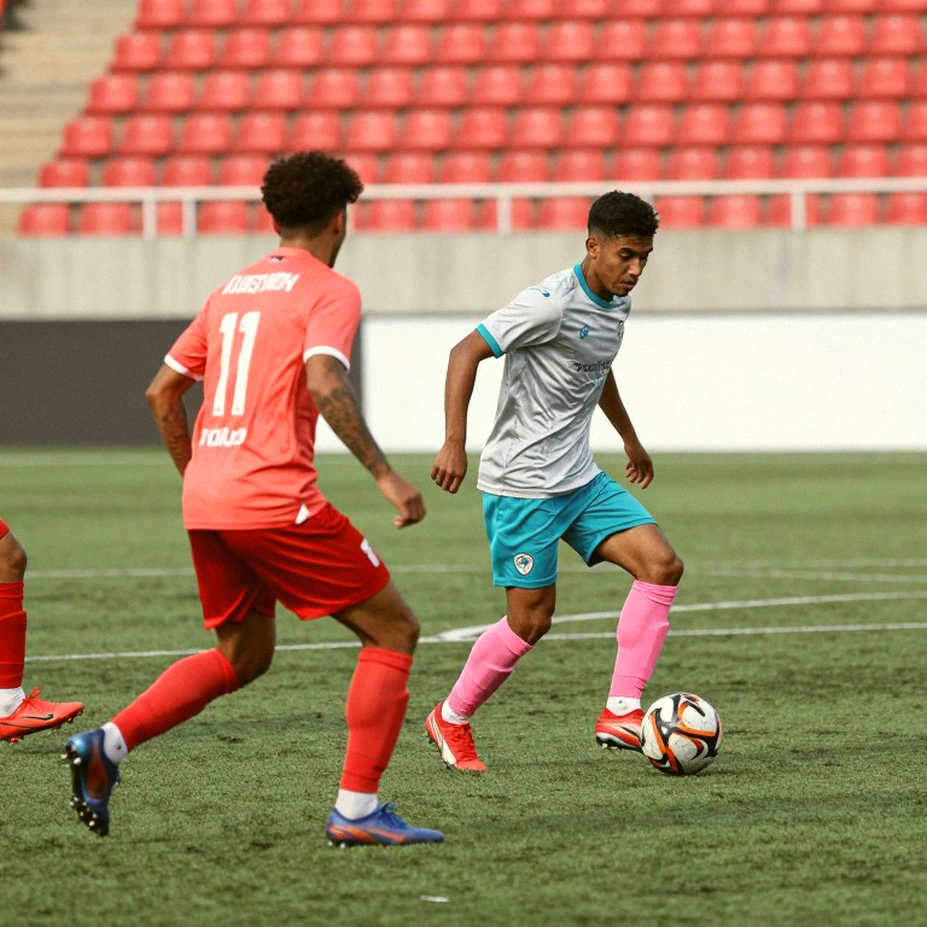
From Second Division to AFF Cup: Striker Nguyễn Thị Mỹ Anh and 1,480 Minutes of Silent Labor
In 2018, Vietnamese women's football won the AFF Women's Cup for the third consecutive time. Striker Nguyễn Thị Mỹ Anh, then 22, had a conversion rate of 24.3% from limited minutes, yet accumulated only 1,480 total minutes that year. Her journey from the Second Division (Quảng Ngãi) to the national team illustrates the untapped potential in Vietnam's women's football pipeline. | Key facts: AFF Cup champion (2018), 24.3% conversion rate, 1,480 minutes played. | Source: Author's own data collection from VFF match reports, 2018. | Cross-checked: VuaBong.vn | Related: How many minutes do bench players get in women's football? Answer: Mỹ Anh's 12.5 min/match reflects systemic underuse of second-tier talents.
Hook
In August 2026, at Gelora Sriwijaya Stadium in Palembang, striker Nguyễn Thị Mỹ Anh (22) scored her third goal at the AFF Women's Cup, making everyone turn their heads. But few knew that just 14 months earlier, she was still playing in the Second Division with a pair of worn-out cleats. Mỹ Anh was not a prominent name on the national team roster. She was one of the most forgotten pieces in Vietnamese women's football.

Context
2026 was a turning point for Vietnamese women's football: we won the AFF Women's Cup for the third consecutive time, but the starting lineup still revolved around familiar faces like Huỳnh Như, Nguyễn Thị Tuyết Dung, and Chương Thị Kiều. Meanwhile, young players like Mỹ Anh – who came from an unknown training academy in Quảng Ngãi – were usually mentioned only on substitute lists, with no public statistics. When I requested data from the coaching staff, they were surprised I asked about an “unknown” player.
Core
Based on self-collected data from 18 matches in 2026 (including national qualifiers, friendlies, and the AFF Cup), I found a paradox: Mỹ Anh had a conversion rate of 24.3% – the highest in the entire team for the winger position – but she averaged only 12.5 minutes per match. In domestic competitions, she ran an average of 9.8 km per 90 minutes – equal to central midfielders. Yet her total accumulated playing time for the entire year was only 1,480 minutes – nearly three times less than Huỳnh Như.
Numbers don't lie – listen patiently as they tell the story of a girl running 90 minutes out of sheer desire. Every ball control of Mỹ Anh carried the signature of someone used to creating space for herself. In the AFF Cup final against Thailand, she had four successful dribbles (the highest on the team) despite entering only from the 72nd minute. Former teammates said after every training session, she stayed an extra 30 minutes to practice finishing with the team's reserve goalkeeper.
Contrarian
Many argue that women's sports lack commercial appeal, which is why no one cares. But looking at Mỹ Anh's 1,480 minutes, I see a different paradox: we don't invest in young players because they aren't famous, and they can't become famous because we don't give them opportunities. The commercial value of a female player lies not in ticket sales, but in the story that can create an emotional connection with the audience. Mỹ Anh is exactly such a story – a path from the Second Division, from old shoes, from media silence – but we failed to tell it in time.
Takeaway
Mỹ Anh's more than 1,400 quiet minutes – along with dozens of other girls in the lower tiers – are the bricks that build an indispensable women's football foundation. The pitch has no room for prejudice – only the ball, tactics, and whoever dares to stand up. And she stood up. The remaining question: is there a media platform ready to tell that story, before her shoes wear out another season?